

Being an influencer is a well-established profession in Spain, where, according to a new study we have carried out at 2btube, there are more than 9,100 professional content creators. In addition, this sector has revolutionized audiovisual consumption and the way of advertising in such a way that behind the influencers there are thousands of professionals in our country.
For the second consecutive year, we have classified the profiles of Spanish creators on different social networks and the conclusion obtained is that there are currently more than 154,000 creators with more than 1,000 followers on one of their accounts; almost 50,000 creators with more than 10,000 followers; more than 9,100 creators with more than 100,000 followers and almost 900 who have more than 1 million followers.
If we compare with the data we presented in 2021, we see that these figures have increased between 15% and 28%, Thus, while the range of creators with more than 1,000 followers has grown by 15%; the number of creators who now have more than 1 million followers is 28% higher. The creators who have more than 100,000 followers, at which point we consider that they have reached the status of influencers and can professionally dedicate themselves to content creation, are now 23% more.
The data has been extracted from the Tubular Labs tool and takes into account the platforms in which influencers generate the most revenue: YouTube, Instagram, Facebook, Twitch and, new this year, TikTok. Monetization – or how to make money – is very different on each social network. Some share advertising revenue with creators based on their views and others have a system of donations or gifts made directly by fans. However, the bulk of an influencer’s income is usually through advertising campaigns with advertisers.
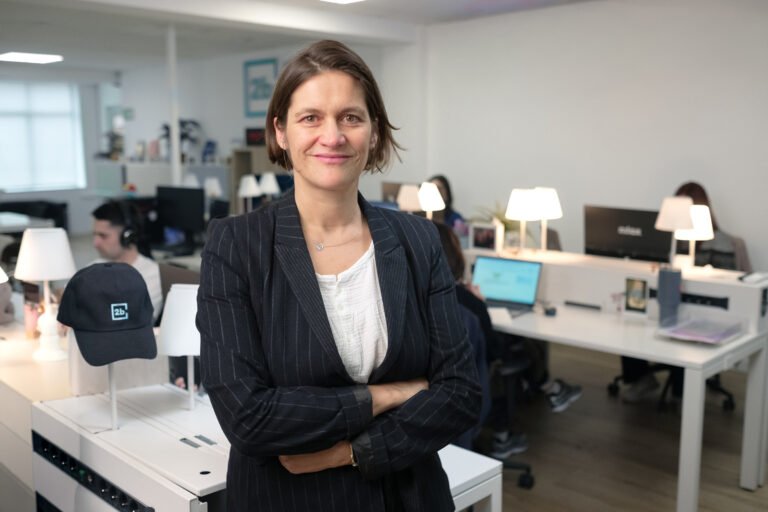
“As there are currently so many influencers in Spain and they publish content on a multitude of social networks, the use of technology to select the perfect talent for each advertising campaign is essential”, explains Fabienne Fourquet, CEO of 2btube. “That is why we combine our experience of more than 8 years in the sector and the knowledge of our professionals in scouting creators; with the use of our own software and data that help us guarantee that we reach the target desired by the brand to increase its sales”.
And the influencer marketing sector is one of the fastest growing in recent years. According to “The Study of Advertising Investment in Spain 2022” by InfoAdex, companies have invested 93.7 million euros in influencer marketing last year, which represents a growth of 23.9% compared to the 75.6 million in 2020; a year that in turn had been key for the sector, since the hiring of influencers was one of the few advertising strategies that increased with the pandemic.
How Influencers Make Money
“There are currently many opportunities to generate income as an influencer or content creator; since the companies dedicated to this sector have multiplied and practically all digital platforms pay talents for the views that their content gets” explains Fabienne Fourquet, CEO of 2btube “We could distinguish 3 phases in the professional life of an influencer: it begins by monetizing their videos on the network where they publish them, continues working with advertisers and reaches a point where it has become a business in itself and goes on to launch their own products or their own brand, without the need to work with advertisers”.
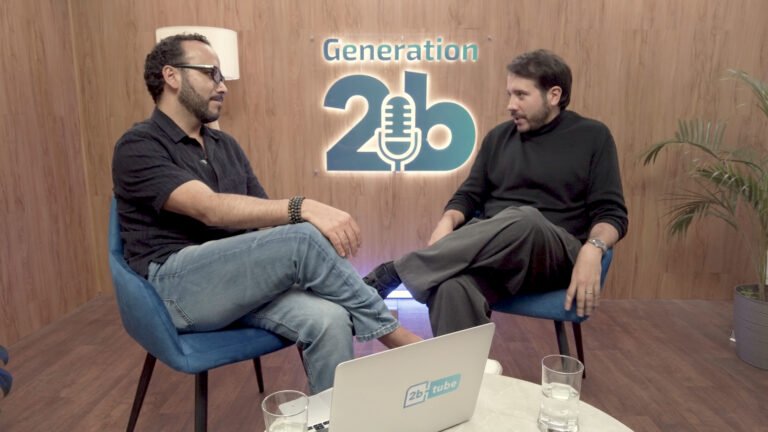
We explain these three stages and the ways of generating income that define the business behind influencers in this video published on our YouTube channel. It is made in collaboration with Ac2ality, a profile with more than 4 million followers on TikTok with whom we have signed an alliance so that we can publicize their brand and expand their content to other platforms such as YouTube or Twitch, as the video also explains.
Phase 1
It begins when the creator starts to monetize their content on platforms that pay talents based on the advertising served in their videos, such as YouTube or Facebook, and that depends, to a large extent, on the number of views achieved.
“The more platforms we use to distribute the videos, the more revenue is generated and the more the creator is known among different audiences” explains Fourquet.“For example, we are helping many YouTube creators to adapt their content to also publish it on Facebook. That can mean earning more than $1,000 a month just on this platform. And we are doing the same with Ac2ality, for whom we have created a YouTube and Twitch channel”
Phase 2
This is when brands and advertisers become interested in having these content creators in their advertising campaigns. Significant income begins to be generated when the talent exceeds the figure of 100,000 followers.
“3 years ago I started uploading videos to Facebook and YouTube and, although at that time I barely generated income and had another job; now I can say that I live completely from being a content creator and that I have even been able to buy a house with what I have earned” explains La Pelo. “Of course, a large percentage of my income comes from the advertising campaigns I do with brands, without them I could not say the same.”
Phase 3
It is when the content creator has such a large community of followers that they become their own brand, a business. That allows them to have products for sale; obtain income thanks to subscriptions or the support of fans; and be chosen to participate in television or radio programs, events, movies or podcasts; in addition to selling their content exclusively to some specific platforms. That gives them a freedom that makes them no longer depend on advertisers to live.
This is how Spursito, an influencer with more millions of followers on his social networks, explains it:
“Right now I can say that I no longer need to carry out campaigns with advertisers to live comfortably, so I reject many proposals that come to me to dedicate myself to the maximum in the creation of content. In 2017, when my YouTube income did not even reach the minimum wage, I needed to combine this activity with work with many brands. Today, however, only with the monetization of my YouTube channel and Twitch subscriptions I generate income that doubles or triples, depending on the month, the average monthly salary in Spain. That allows me to select very well the projects to which I dedicate my time, such as being a presenter in UBeat, El Córner de la Liga or Sabor a Fútbol, which are projects that I am passionate about.”
His case is not the only one, there are more than 600 Spanish content creators who exceed one million followers on one of their social networks and we could say that they are part of that third phase. They are part of the phenomenon known as “passion economy” and that reflects how new technologies and audiovisual consumption patterns have made it possible to sell creative content directly to consumers.
“This issue has been addressed by many media in the United States such as the New York Times or Forbes. We may be facing a social and labor revolution” concludes Fabienne Fourquet.
A Sector that Generates Thousands of Jobs
In addition to the profession of influencer, there are many companies and professions that have emerged thanks to this sector. From agents or representation agencies of influencers to experts in management and measurement of advertising campaigns with influencers, both in these agencies and in practically all companies that provide services to advertisers.
Traditional companies such as management companies, law firms or insurance companies are also launching specific products for content creators. Publishers have been launching books by influencers for years and the media also tend to have them as collaborators. That, without counting the dozens of companies specialized in making merchandising lines for influencers, in content creation software and platforms to generate more income.
“When an influencer has millions of followers, the work multiplies and it is impossible, for a single person, to make content on a multitude of social networks, manage their relationship with advertisers and develop other commercial opportunities” explains Fourquet. “Our goal is to increase the audience and income of our talents, helping them to get the most out of their content.”
Finally, we must not forget that many creators have created their own companies and have teams of filmmakers, video editors or marketing specialists; further expanding a market that gives work to thousands of professionals in Spain.